New retaining wall
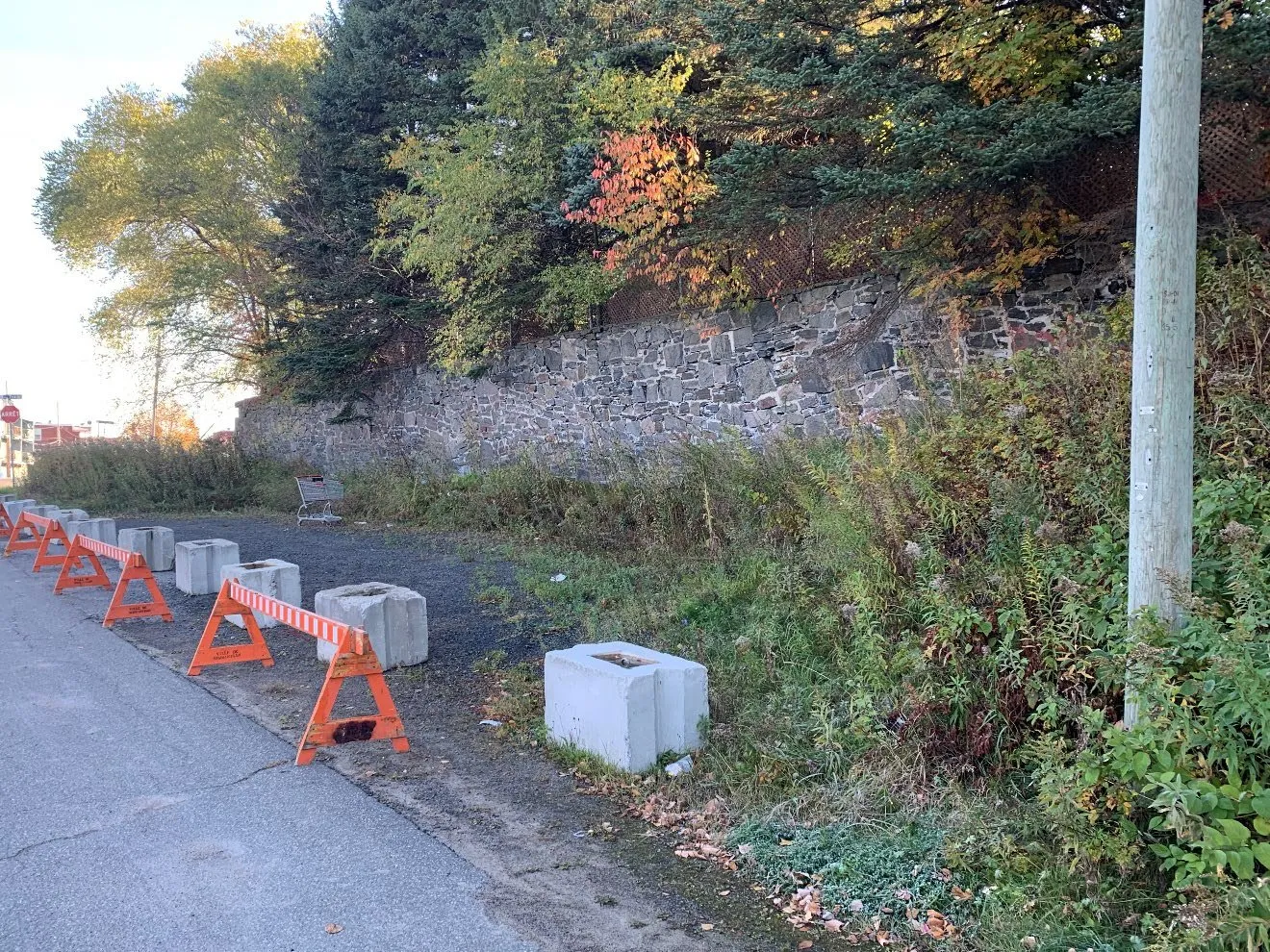
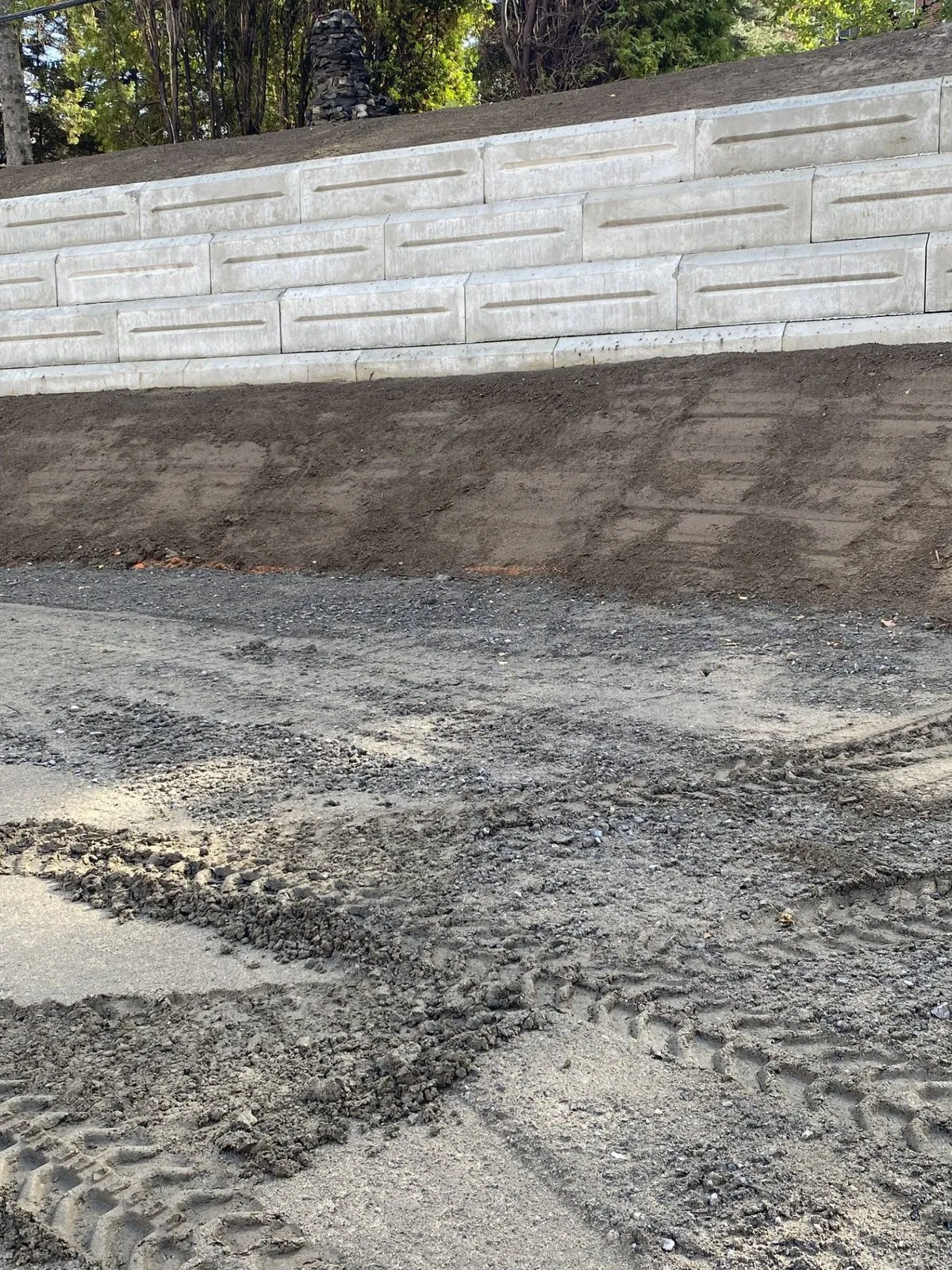
Following a municipal notice on the compliance of the existing site works, a stabilization study was carried out to replace the existing wall, which showed signs of deterioration, with a new, safer wall.
The study includes geotechnical investigations by drilling and test pits, environmental characterization of the soil, the design of the new retaining wall, the preparation of the plans and technical specifications, construction supervision and the issuance of a certificate of compliance.
What the mandate includes
The steps of the mandate, from the first investigation to the final deliverable.
- Borehole and test pit investigations
To determine the nature and strength of the soils that the new wall will retain and be founded on.
- Environmental soil characterization
To determine the quality of the soils on the site.
- Design of the new wall
Choice of wall type, sizing and stability check based on the field data.
- Plans and technical specifications
The documents that govern the construction of the wall.
- Construction supervision
On-site presence to check that the wall is built according to the plans and specifications.
- Certificate of compliance
The final document confirming that the work complies with the design.
When a retaining wall needs to be replaced
A retaining wall constantly holds back the pressure of the soil behind it. Over time, frost, water building up for lack of drainage or an added load at the top of the wall can make it lean, bulge or crack.
Here, the old stone wall showed signs of deterioration. The new concrete block wall was designed using the data from the boreholes and test pits, then built under our supervision.