
Environmental site assessment and characterization

Real estate transaction, construction or site remediation: our engineers, chemists and environmental specialists check whether your property is contaminated and help you stay compliant.

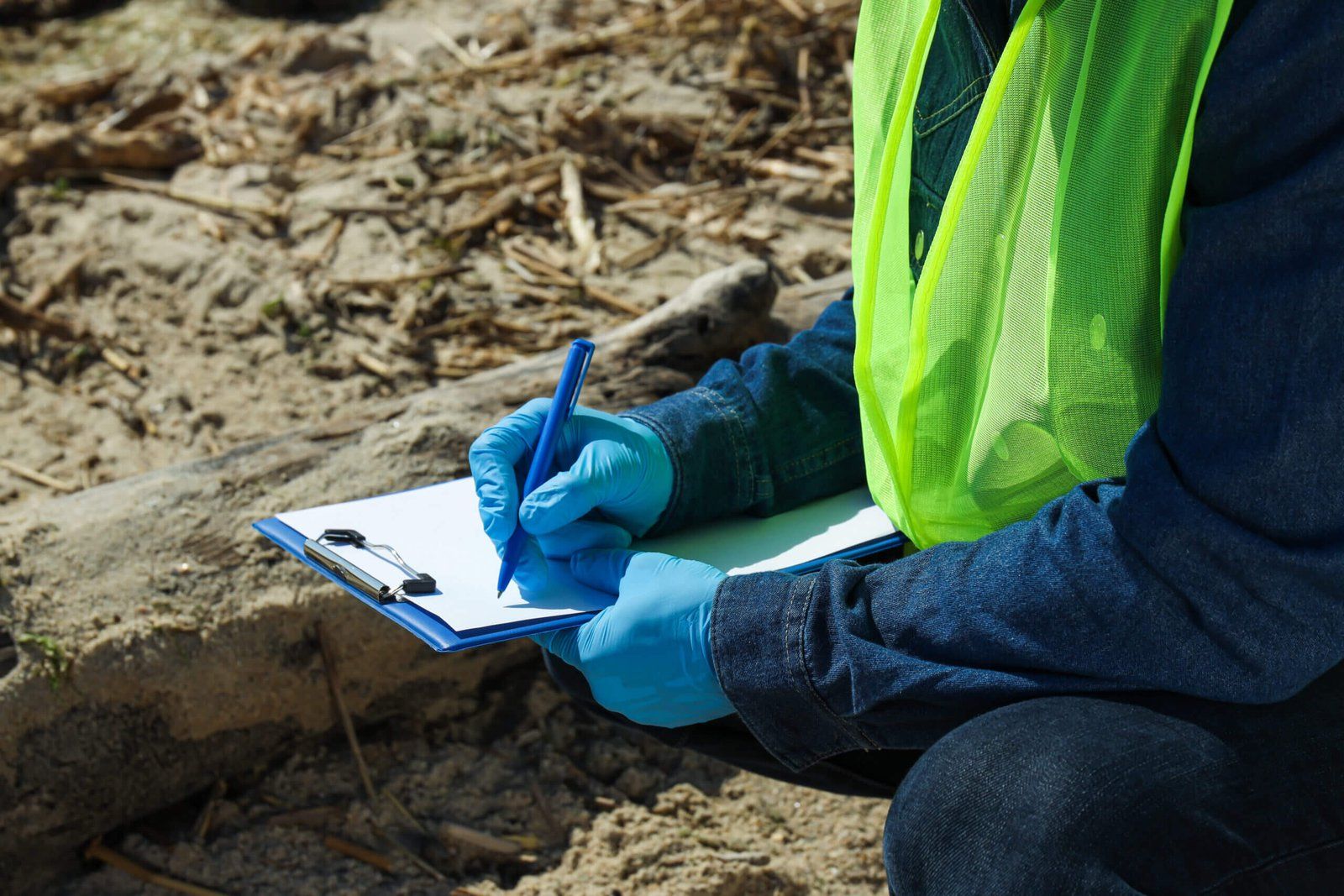
Collecting a water sample for an environmental site assessment

What is an environmental site assessment?

An environmental site assessment detects actual or potential contamination on a site by analyzing its current and past uses. It shows whether past activities may have affected the quality of the soil or groundwater.

This assessment is essential before a construction project, a real estate transaction or a change in the use of a property.

Carried out by environmental experts in collaboration with accredited laboratories, it ensures regulatory compliance and prevents long-term environmental risks.

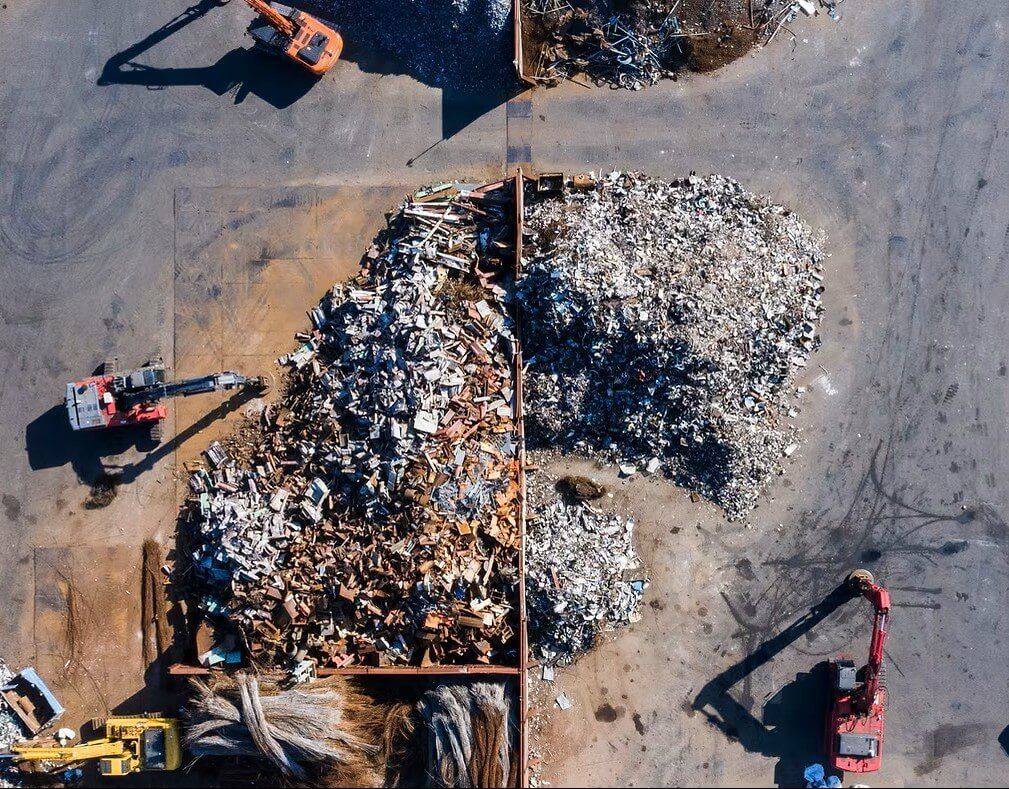
Property to be assessed before a project

The phases of an environmental site assessment

Each phase is undertaken only if the previous one warrants it. Phases I and II generally follow CSA standards Z768 and Z769; a study required by law follows the Guide de caractérisation des terrains of the Ministère de l’Environnement.

Read the guide to the phases

Phase I: site history

Records review, site visit and interviews to identify potentially contaminating activities, past and present, on the property and around it. No sampling: Phase I concludes whether contamination is possible and whether a Phase II is needed.

Phase II: confirmation

Boreholes, test pits and observation wells targeting the areas at risk, followed by chemical analysis of the soil and groundwater by an accredited laboratory. The report confirms the presence or absence of contamination.

Phase III: delineation

Additional characterization defines the extent of the contamination, its depth and the volumes of soil affected, in order to choose the remediation method and estimate its cost.

Phase IV: remediation

Monitoring of decontamination work, verification analyses, reports and final environmental certification in compliance with the regulations.

When do you need an environmental site assessment?

Some situations require one by law; others call for one out of caution or at a lender’s request.

  • When buying or financing a property: most financial institutions require an environmental site assessment for a commercial property
  • At the end of an industrial or commercial activity covered by the regulations: the study must be submitted within 12 months
  • Before changing the use of land where such an activity took place
  • Before building on or redeveloping land whose history is unknown
  • To obtain an environmental permit or authorization

Complete environmental site assessment services

Our team of specialists carries out projects of all sizes, with solutions that ensure compliance while keeping costs down for our clients.

See our projects

  • Phase I, II, III and IV environmental site assessments, to identify, confirm and manage potential or actual contamination
  • Chemical analysis of soils
  • Water quality assessment
  • Monitoring of decontamination work, reports and final environmental certification in compliance with the regulations
  • Validation of studies and remediation work when industrial activities cease or the use of the site changes
  • Support in obtaining permits and certificates of authorization: residential or industrial projects, wetlands, sand pits, quarries, sanitation works

How the mandate works

The cost and duration depend on the phase, the size of the property, its history, the number of analyses and the laboratory turnaround time. The quote specifies them.

  1. The quote

    You describe the property, its use and the reason for the assessment: transaction, financing, construction, cessation of activities. We propose the appropriate phase and its price.

  2. Research and site visit

    Our specialists review the available documents and visit the site to identify possible sources of contamination.

  3. Sampling

    If a Phase II is required: boreholes, test pits or observation wells, and collection of soil and water samples according to a sampling plan.

  4. Analyses

    The samples are analyzed by an accredited laboratory and the results compared with the applicable criteria.

  5. The report

    A clear report with conclusions and recommendations: no action, further investigation or remediation.

Why entrust us with your environmental study

New construction, change of use or site remediation: our team supports you with rigour.

Recognized expertise
Our specialists have in-depth knowledge of environmental standards and industry best practices.
Personalized support
The approach is tailored to the nature of the project, its complexity and your objectives.
Time savings
Streamlined processes to speed up verification, authorization and certification.
Controlled costs
Early planning and intervention avoid unexpected corrective measures.
Regulatory compliance
Government and municipal requirements met at every step.
Clear reports
Detailed, well-structured reports for quick decisions.

Frequently asked questions about environmental site assessments

What is the difference between a Phase I and a Phase II?

A Phase I is historical and documentary research, with a site visit and no sampling: it tells you whether contamination is possible. A Phase II checks in the field, through sampling and laboratory analyses, whether the soil or groundwater is actually contaminated.

Is an environmental site assessment mandatory to buy a property?

The law does not require one for every transaction, but most financial institutions require it to finance a commercial property. It also protects the buyer: contaminated land can be costly to remediate.

Who can sign a characterization study?

Since April 12, 2023, the Environment Quality Act no longer refers to an “authorized expert” (expert habilité). The study must be signed by a professional within the meaning of the Act, for example a member of a professional order, and comply with the ministry’s Guide de caractérisation des terrains.

How long does an environmental site assessment take?

It depends on the phase, the size of the property and the laboratory turnaround time. For example, our assessment of a sand pit in the MRC de Manicouagan, with boreholes and an evaluation of soil and water quality, ran from October 25 to November 19, 2025.

See this project

All our guides

Have a project or a technical question?

Tell us about your project: our engineers will get back to you with a clear estimate, whether for a geotechnical study, an environmental site assessment or materials testing.

CallGet a quote