
Concrete
On site, fresh concrete is sampled and checked on delivery: slump, air content, temperature and density, in accordance with CSA A23.2. Test cylinders are cast and then crushed in the laboratory to measure compressive strength.
Roads, foundations, buildings or civil works: our team tests the materials on your construction sites so that every component meets standards and lasts.
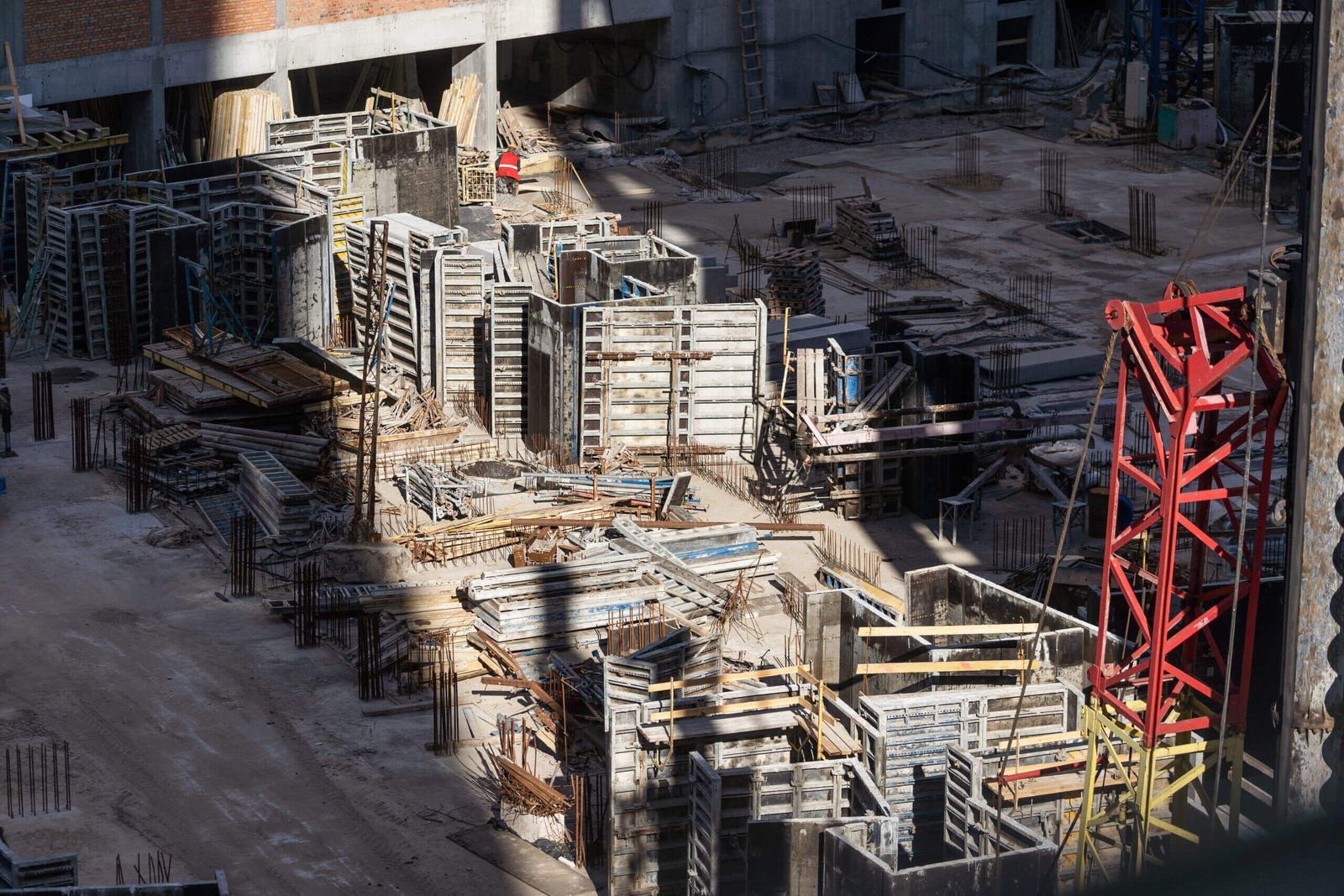
Materials testing verifies the compliance, quality and performance of the materials used in a construction project.
It relies on laboratory or on-site tests, which confirm that concrete, asphalt, soils or aggregates meet technical requirements and current standards.
It is an essential step for the safety, durability and regulatory compliance of any infrastructure.

Each material has its own tests. The project specifications set which ones and how often.
On site, fresh concrete is sampled and checked on delivery: slump, air content, temperature and density, in accordance with CSA A23.2. Test cylinders are cast and then crushed in the laboratory to measure compressive strength.
On site, layer by layer, the dry density of compacted fills and base layers is measured and expressed as a percentage of the maximum dry density obtained in the laboratory by the modified Proctor test: this is the degree of compaction.
Aggregates are sampled and analyzed, including by grain size analysis, to check that they meet the requirements of the specifications before and during placement.
Asphalt production and placement methods are checked against established standards, for a durable pavement.
Proven field expertise and up-to-date equipment, on site and in the laboratory.
From municipal works to private buildings, throughout Quebec. See our projects
Schedule a site visit or get a quote for testing your materials.
The project specifications usually set out the tests to be performed and their frequency.
Our technicians are on site at key stages: sampling, on-site testing, checking placement and compaction.
The samples are analyzed and the results compared with the project requirements.
The results are recorded in reports and compared with the requirements of the specifications.
Concrete that is too fluid, has an inadequate air content or is poured in very cold weather can lose some of its strength or frost durability. Fresh concrete tests catch these deviations on delivery, and the test cylinders then confirm the strength achieved.
It is a laboratory test that determines the maximum dry density of a soil and its optimum water content. On site, the measured dry density is expressed as a percentage of this value, then compared with the requirement in the specifications.
The project specifications usually set out the tests and their frequency, according to the materials and the stages of construction.
The price depends on the number of tests, the length of the project and the number of site visits. It is set by quote, based on the plans and specifications.
Tell us about your project: our engineers will get back to you with a clear estimate, whether for a geotechnical study, an environmental site assessment or materials testing.