A geotechnical study characterizes the soil that will support your building: bearing capacity, type and dimensions of the foundations, ground stability and the site’s seismic risk.
A soil study is an essential step in any civil engineering project. It characterizes the supporting ground (overburden or rock mass), assesses its ability to carry the structure and helps optimize the type and dimensions of the foundations.
It also checks the stability of the bearing ground, especially on a slope, and the seismic risk of the site. Depending on the scale of the project, other analyses are added: ground improvement, retaining wall stability.
From a basic study for a house to the seismic assessment of a dam.
Standard geotechnical study
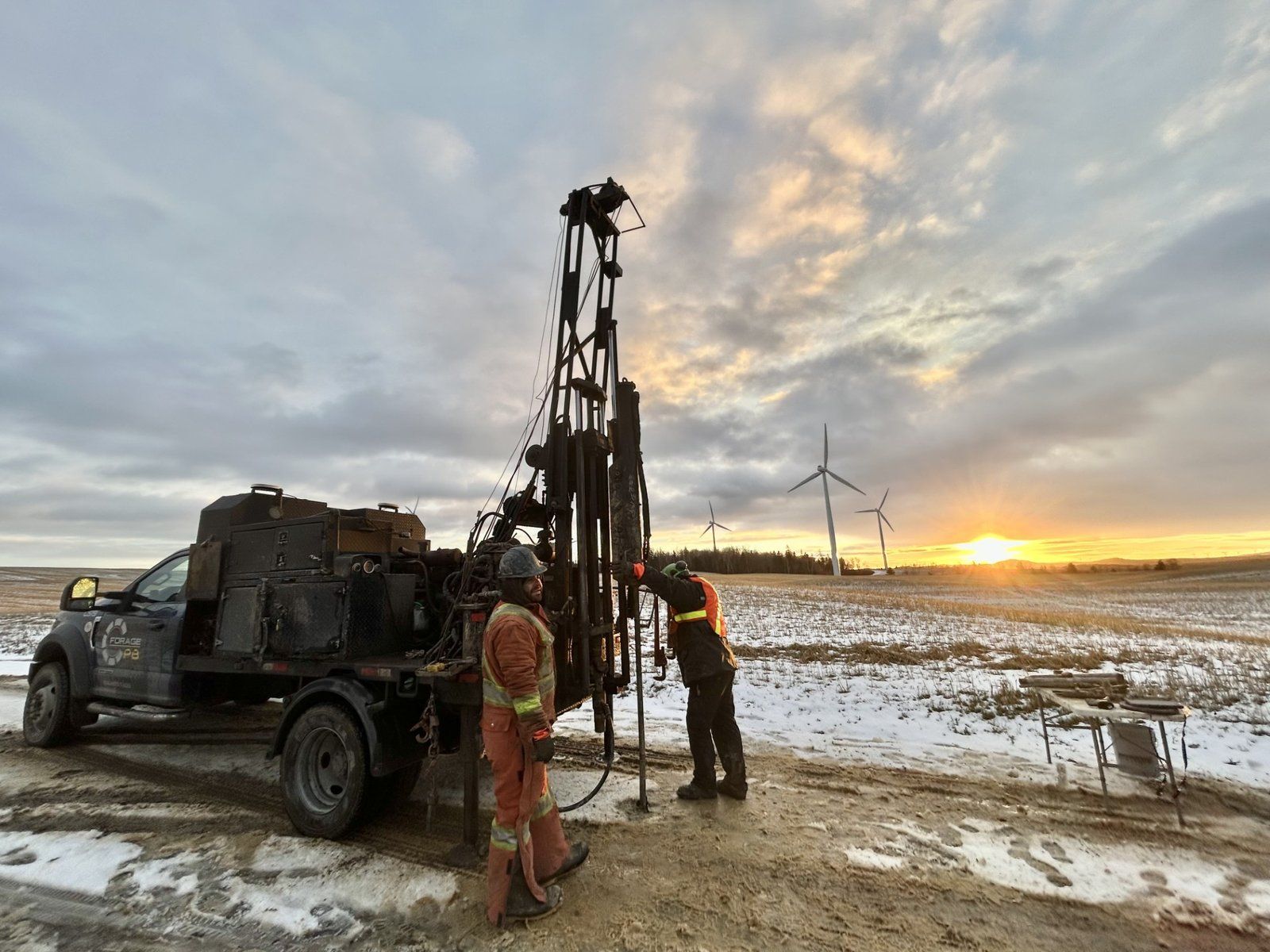
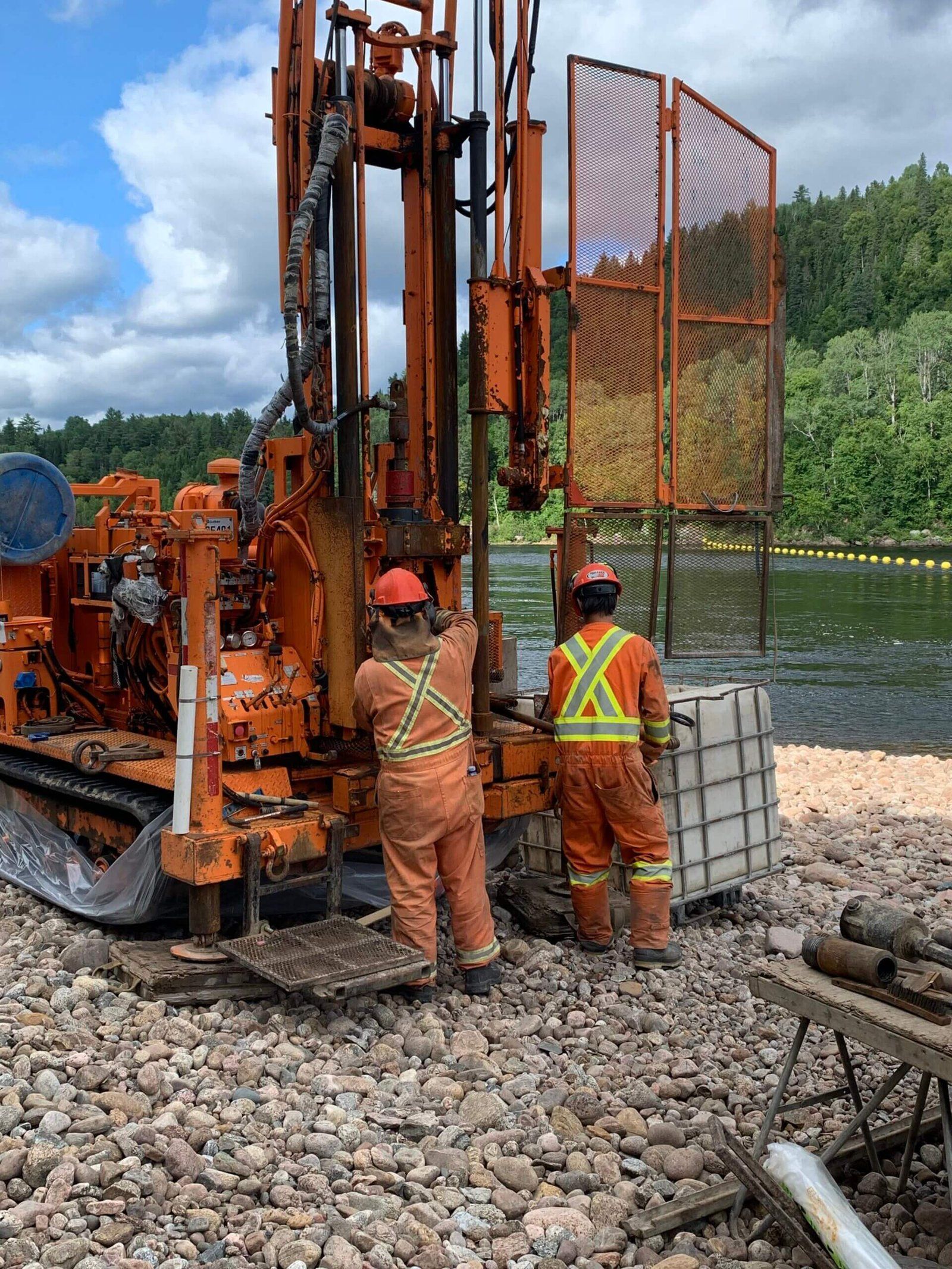
Basic study for a new building, a pavement structure or an addition: investigation by drilling, coring and sampling; soil capacity, frost depth, capacity of conventional foundations and piles, structural slab, site class, seismic coefficients, liquefaction risk, excavation slopes, temporary and permanent drainage, reuse of materials and construction recommendations.
Dynamic analyses
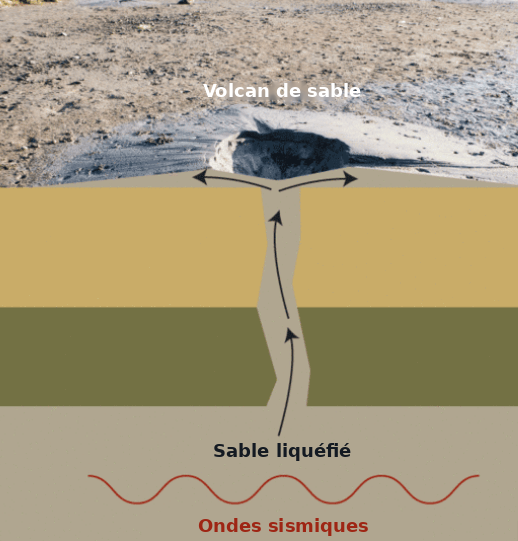
Advanced dynamic soil studies following the simplified analyses: 1D and 2D numerical analyses for ordinary sites or for dikes and dams, and recommendations for advanced investigations or seismic risk reduction solutions when the risk is confirmed.
Ground improvement
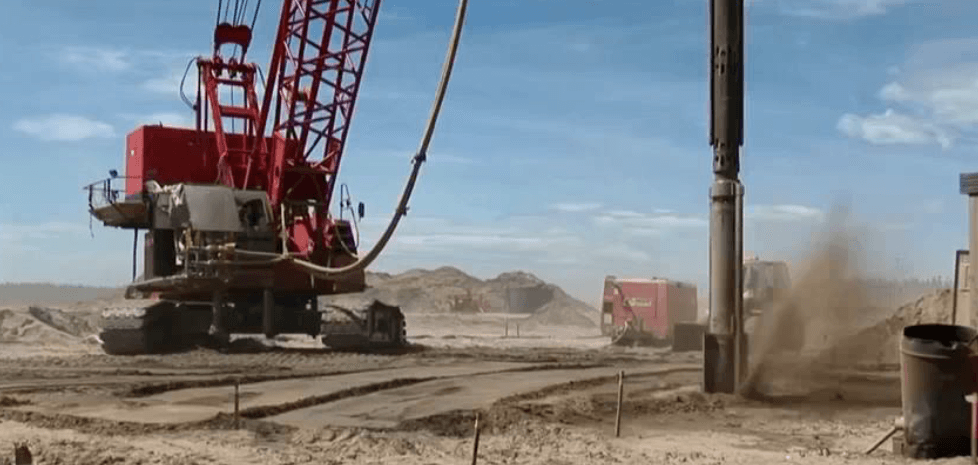
Design of a ground improvement or reinforcement technique when soil capacity is low or there is a liquefaction risk: selection of the optimal technique (dynamic compaction, vibroflotation, preloading, vertical drains, stone columns, controlled modulus columns (CMC), jet grouting, deep soil mixing), sizing and recommendations for the work.
Slope stability
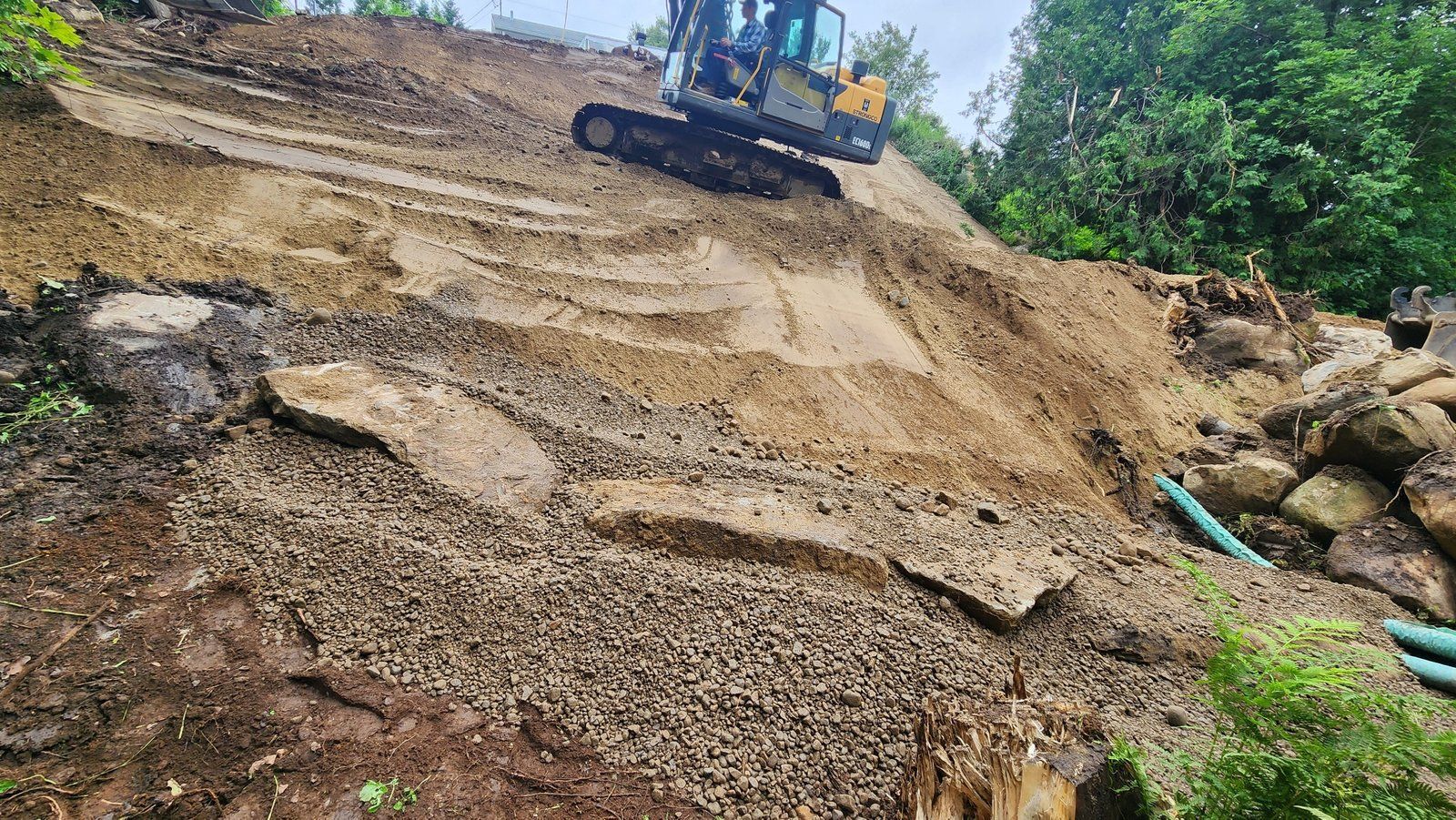
Verification and numerical analyses of the stability of slopes or embankments for construction in a landslide-prone area; stabilization of slopes or riverbanks after a landslide: investigation, design of solutions and construction supervision.
Retaining walls
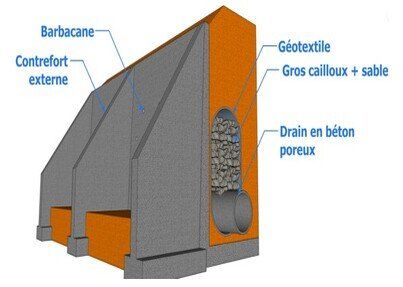
Verification and numerical analyses of the stability of existing walls; design of new walls (gravity walls, sheet pile walls, combined walls, diaphragm walls) and supervision of construction work.
Dam safety
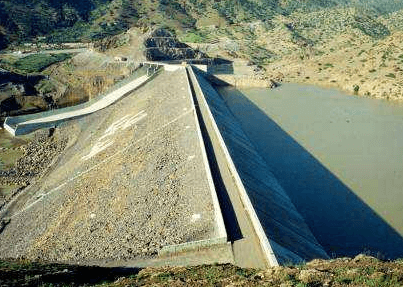
Hydrological and hydraulic analyses, dike stability studies (static, pseudo-static, internal and external erosion, liquefaction) and corrective recommendations for safety and maintenance.
Why choose Groupe LAFI
A multidisciplinary team of engineers and technicians in geotechnical, environmental and materials engineering, supporting your project at every stage.
A modern design, backed by experience, that ensures the safety of your structure in the short and long term.
The optimal solution
The solution that keeps the project safe without resorting to an unnecessarily costly option.
Compliance with standards and codes
Canadian Foundation Engineering Manual, National Building Code and safety recommendations.
Deadlines met
A responsive team that meets your needs as quickly as possible.
How much does a geotechnical study cost?
The cost depends on the scale of the project, the investigation method, site access and the data already available. Here are our indicative prices; the exact price is given in the quote.
Commercial or industrial building, street, municipal structure, dam
By quote
Frequently asked questions about geotechnical studies
What is the main purpose of a geotechnical study?
A geotechnical study characterizes the bearing capacity of the soil that will support a building. It also determines the appropriate foundations, which form the link between the soil and the structure to be built.
Is a geotechnical study mandatory?
Yes. It is essential to ensure the stability and durability of a house, a cottage or any other building, and banks require it from clients applying for a construction loan. It also optimizes the type and dimensions of the foundations and avoids unnecessary, costly oversizing.
It generally has three steps: collecting data on the site (location, previous studies, types of deposits); a field investigation with in situ tests, laboratory tests and water level measurements; then a report by a geotechnical engineer with the soil analysis, bearing capacity, seismic risks and foundation recommendations.
How much does a geotechnical study cost?
The cost depends on the scale of the project, the investigation method and the purpose (new construction, addition, repair). Only a specialist can provide an accurate estimate.
What is soil bearing capacity?
It is the soil’s ability to support a load without excessive deformation. To estimate it, the nature of the soil (clay, sand, gravel) and its stiffness are analyzed.
How much does a soil bearing capacity study cost?
For a house or cottage, this study costs between $4,500 and $7,500, depending on the available data and the complexity of the project.
Do you need to know the bedrock level before building?
Not always. It depends on the nature of the soil and the project: the geotechnical specialist decides whether the depth of the bedrock needs to be determined.
What does a ground or slope stability study involve?
It assesses the ability of a slope to remain stable in the short and long term, in two steps: soil characterization, then a stability analysis using conservative methods or specialized software.
What should you do in the event of a landslide?
Contact a geotechnical specialist: they will diagnose the situation, identify the causes of the landslide and recommend suitable stabilization solutions.
Several factors can cause one: soil that is too weak or poorly compacted, a permanent or temporary load at the top of the slope, an excavation at the base of the slope, or a natural event (heavy rain, flooding, earthquake).
What are the solutions for stabilizing ground or a slope?
They vary with the layout of the site, accessibility and budget: earthworks (regrading, lowering the crest, a buttress at the toe of the slope) or reinforcement solutions (ground anchors, retaining walls). The choice is made after a detailed stability study.
How much does a ground stability study cost?
A ground or slope stability check costs between $3,000 and $7,000, depending on site conditions and the available data. A specialist must assess the exact cost.
Is a seismic study mandatory?
Yes. A soil liquefaction risk analysis is required for every construction project. A preliminary study is done first; if there is a risk, an advanced study is needed, and mitigation solutions can then be proposed. An advanced seismic analysis costs from $8,000.
Before the foundations of a house or cottage are poured, a geotechnical study tells you what you are building on: the type of soil, its bearing capacity and the right foundation.
A crack in sloping ground, a bulging slope, water seeping out of the ground: a landslide often gives warning. Here is what to watch for, what to do and how a slope is stabilized.
Soil study before construction: grain size analyses and percolation tests for residential, commercial or industrial projects.
Have a project or a technical question?
Tell us about your project: our engineers will get back to you with a clear estimate, whether for a geotechnical study, an environmental site assessment or materials testing.