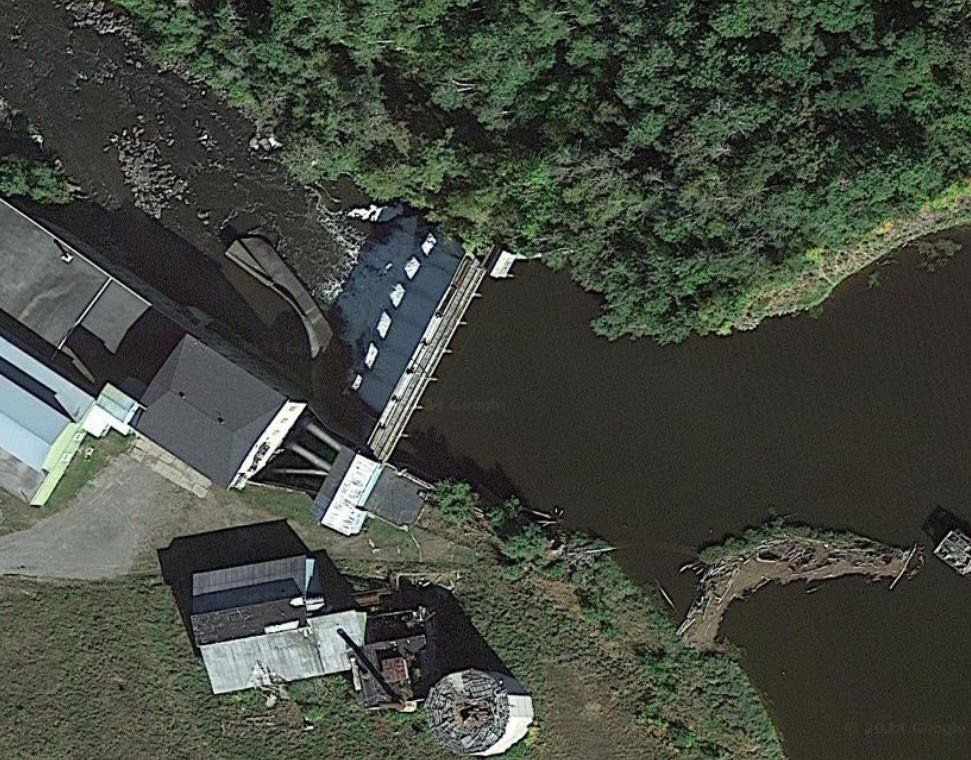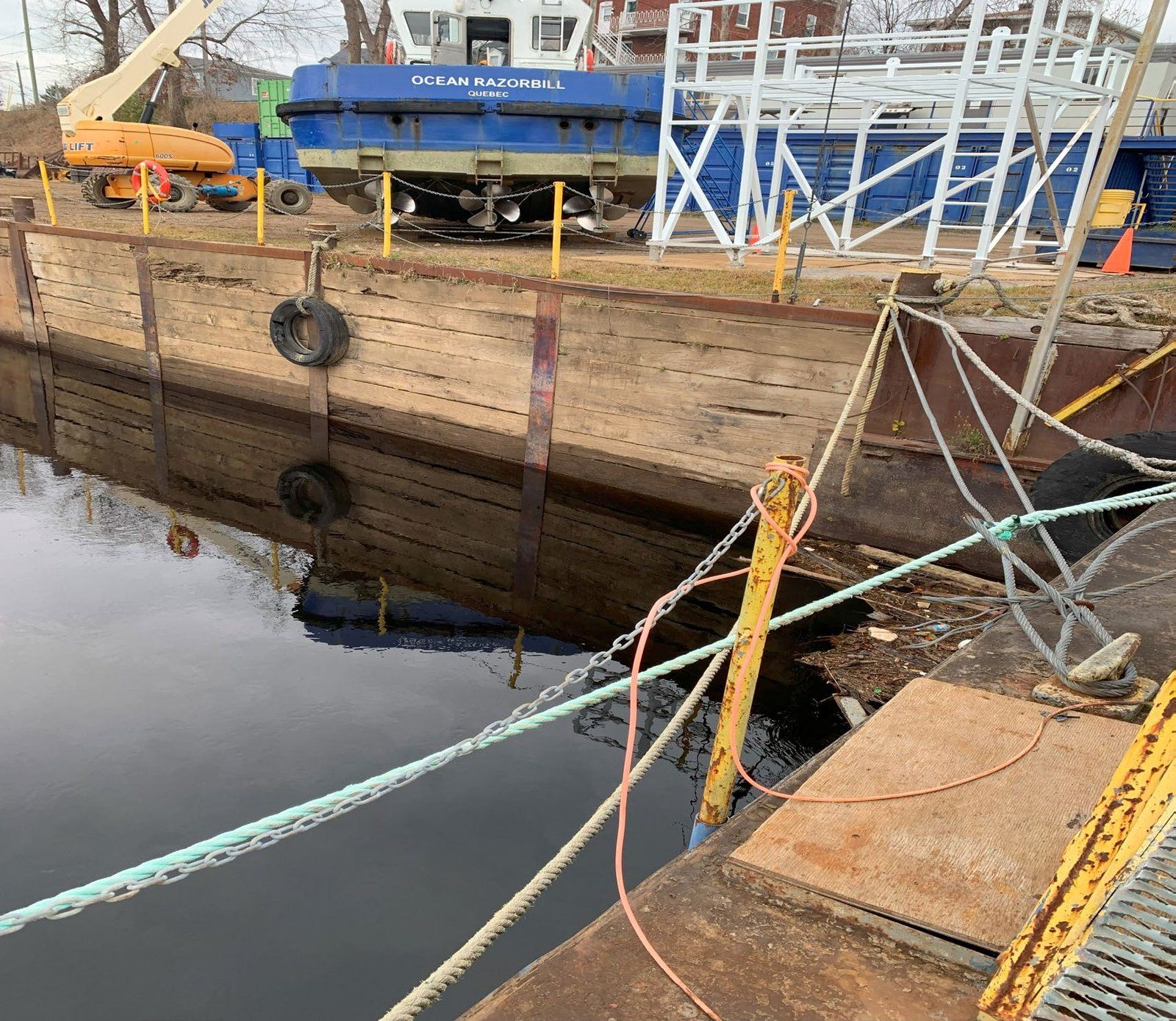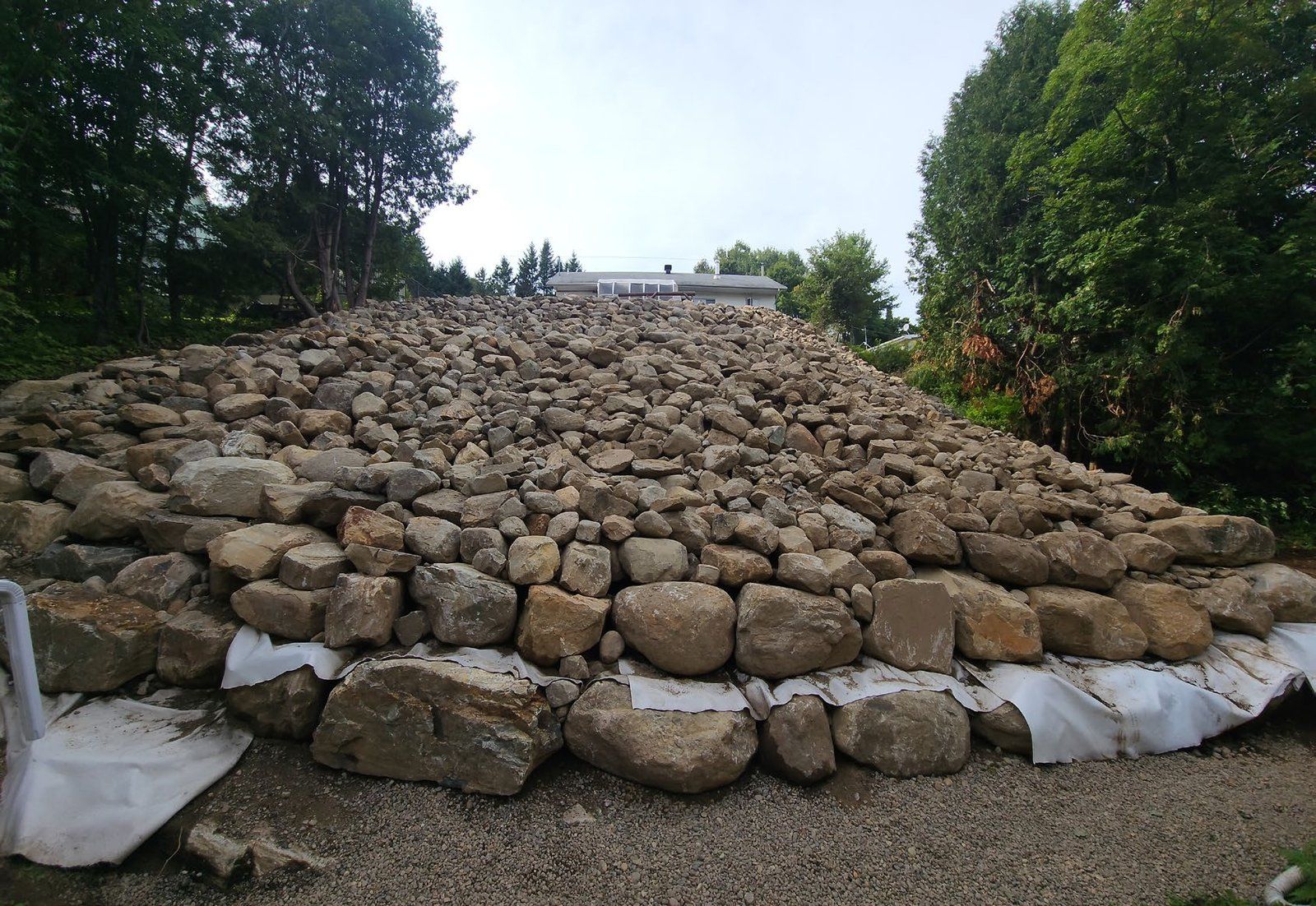
Liquefaction study and static and seismic stability verification of several dikes and dams
The study includes advanced dynamic analyses to determine how the structures respond to seismic loading, and stabilization solutions adapted to the particular features of each dike, in accordance with the safety standards for hydraulic structures.

What the mandate includes
The steps of the mandate, from the first investigation to the final deliverable.
- Liquefaction study
Assessment of the risk that soils lose their strength during an earthquake.
- Advanced dynamic analyses
Numerical modelling of how the dikes and dams respond to seismic loading.
- Static and seismic stability verification
Analysis of each structure under its normal conditions and during an earthquake.
- Stabilization solutions
Adapted to the particular features of each dike, in accordance with the safety standards for hydraulic structures.
Liquefaction, a risk for dikes
Under the effect of seismic waves, a water-saturated sand can lose almost all of its strength and behave like a liquid: this is liquefaction. A dike founded on such a soil can then settle or slide.
Simplified analyses identify the sites at risk; advanced numerical analyses, in 1D or 2D, determine the response of each structure more precisely and guide the choice of solutions.